
What is a PAN Card
PAN application rules: The Indian Income Tax (IT) Department issues Permanent Account Numbers (PANs), which are ten-character alpha-numeric identifiers. Ten digits, each consisting of a particular alphabet and letter combination, make up each PAN. Alphabets always make up the first five characters, which are followed by four digits and another alphabet. The PAN card is one of the most significant documents in India, along with the Aadhaar card.
Beginning on April 1, 2026, PAN application rules will change, providing significant improvements for Indian taxpayers. In the near future, applying for a PAN card will require more than simply Aadhaar. In addition, where and when PAN is needed for financial transactions will be affected by new income tax regulations.
These modifications are intended to increase openness and streamline compliance. You can prevent delays, additional paperwork, and problems with banking and tax-related activities by being aware of the new PAN application rules 2026.
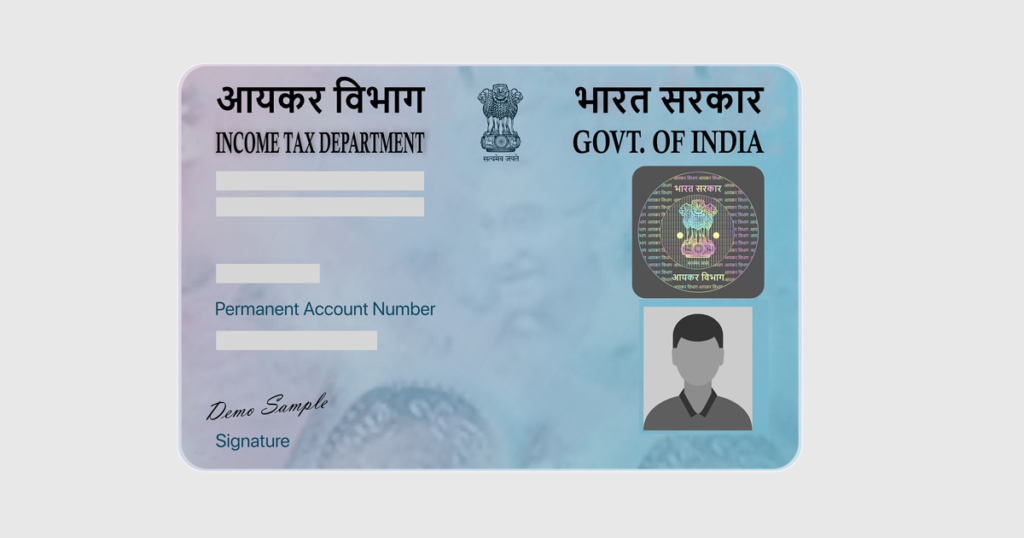
NEW PAN RULES FOR TAXPAYERS AS OF April 1, 2026
Every citizen who files for a new PAN or modifies an existing one on or after April 1, 2026, will be subject to these changes. The whole list of modifications is as follows:
Additional documentation needed: PAN applications might be submitted solely using Aadhar till March 31, 2026. This is the final opportunity to apply using the streamlined Aadhaar-based method, as candidates will need to submit additional papers starting on April 1, 2026.
PAN name to match Aadhaar: The card’s name will be deleted on April 1, 2026. PAN names will only be based on Aadhaar. Applicants must therefore confirm that their Aadhaar information is accurate.
New PAN forms: As part of the revised procedure, new PAN application forms are anticipated to be released shortly, taking the place of the current ones. The present (old) PAN forms will no longer be accepted for new applications or modifications as of April 1, 2026.
PAN REQUIREMENT CHANGES FOR TRANSACTIONS
The circumstances under which a PAN must be quoted for financial transactions are also altered by the revised regulations. If the total sum exceeds Rs 10 lakh in a fiscal year, people will be required to furnish PAN details for cash transactions or withdrawals under the new structure.
The threshold for real estate transactions has been lifted; instead of the previous Rs 10 lakh restriction, PAN is now only required for transactions over Rs 20 lakh. In a similar vein, PAN will now be necessary for car purchases costing more than Rs 5 lakh, but the hotel payment cap has been raised, requiring PAN only for spending above Rs 1 lakh.
THE IMPORTANCE OF THESE CHANGES
The goal of the revised PAN application rules and transaction restrictions is to achieve equilibrium.
They cut down on needless paperwork for smaller transactions, on the one hand. On the other hand, in order to stop abuse and enhance tax monitoring, they strengthen oversight of larger financial transactions.
This results in less trouble for taxpayers in some situations but more stringent documentation in others.
It might be simpler to apply for a PAN card using Aadhaar alone before March 31, 2026.
To prevent delays, keep all necessary paperwork on hand after that. Keeping up with the PAN application rules 2026 might also make it easier for you to handle bank transactions.